Ottawa · ON
Professional aluminum to copper wiring in Ottawa by licensed electricians with 15 years’ experience in Ontario.
About this service
Aluminum wiring was commonly installed in Ottawa homes between 1965 and 1975 as a cheaper alternative to copper. The metal expands and contracts differently than copper, which causes connections to loosen over time. Loose connections create heat buildup and fire risk at outlets, switches, and junction boxes.
Homes in Nepean, Gloucester, and parts of Kanata built during this period often have aluminum wiring throughout. Many insurers in Ontario require remediation before issuing coverage. We assess your wiring, determine whether pigtailing or full replacement makes sense, and complete the work to current ESA standards.
Why choose us
We've been doing electrical work in Ottawa since 2009. Aluminum wiring remediation is common in homes built during the 1965–1975 period across Nepean, Gloucester, and Kanata.
Licences & memberships
Before you book
The questions most clients ask first. Answered directly.
How do I check if my home has aluminum wiring?
Open your electrical panel and look at the wiring coming into the breakers. Aluminum wire is silver or dull grey. Copper is orange or brown. You can also check outlets and switches by removing the cover plate. If the wire connected to the terminal is silver, it's aluminum. Homes built in Ottawa between 1965 and 1975 are the most likely candidates.
Is aluminum wiring dangerous?
Aluminum wiring itself isn't inherently dangerous. The problem is how it behaves over time. Aluminum expands and contracts more than copper when it heats and cools. This causes connections to loosen at outlets, switches, and junction boxes. Loose connections create resistance, which generates heat. Heat buildup can ignite surrounding materials.
Should I pigtail or replace aluminum wiring completely?
Pigtailing is sufficient for most homes if the wire itself is in good condition and connections are accessible. Full replacement makes sense if the insulation is brittle, if there's evidence of overheating, or if you're already doing a major renovation. We assess the condition during the site visit and recommend the approach that makes sense for your home.
Will my insurance company cover a home with aluminum wiring?
Many Ontario insurers will cover homes with aluminum wiring only after remediation. Some require full replacement. Others accept pigtailing if performed by a licensed electrician and documented with an ESA inspection certificate. We can provide the documentation your insurer needs once the work is complete.
How do I know if my home has aluminum wiring?
Check your electrical panel. Aluminum wire is silver or dull grey. Copper is orange or brown. If your home was built in Ottawa between 1965 and 1975, there's a strong chance it has aluminum wiring. Neighbourhoods like Nepean, Gloucester, and parts of Kanata built during this period commonly used aluminum.
Does Ontario require aluminum wiring to be replaced?
Ontario does not require aluminum wiring to be removed unless it's damaged or installed incorrectly. The ESA allows aluminum wiring to remain in service as long as connections meet code. Pigtailing brings existing aluminum wiring into compliance without full replacement.
Common questions
Specific questions about this service in Ottawa. Answered directly, without the runaround.
Aluminum wiring becomes dangerous when connections loosen over time. Aluminum expands and contracts more than copper when it heats and cools. This movement causes terminals at outlets, switches, and junction boxes to loosen. Loose connections create electrical resistance, which generates heat. Heat buildup can ignite surrounding materials and cause fires. Homes built in Ottawa between 1965 and 1975 commonly have aluminum wiring, especially in Nepean, Gloucester, and parts of Kanata. The wiring itself isn't the problem. The connections are. Properly installed pigtails or full copper replacement eliminate the risk. We assess connection condition during the site visit and recommend the fix that matches the condition of your wiring.
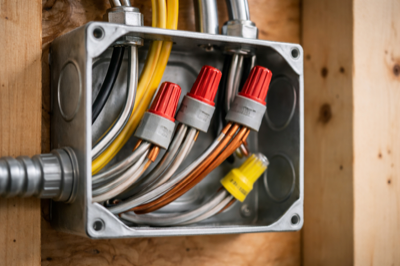
Pigtailing involves splicing a short copper wire to each aluminum wire using an approved connector rated for aluminum to copper transitions. The copper wire then connects to the outlet, switch, or fixture. This keeps the aluminum wiring in place but eliminates the aluminum to device connection where loosening occurs. Full replacement means removing the aluminum wire completely and running new copper circuits from the panel to every outlet and switch. Pigtailing is faster and less invasive. It's the right choice when the aluminum wire itself is in good condition and connections are accessible. Full replacement makes sense if the insulation is brittle, if there's evidence of overheating, or if you're renovating and walls are already open. Homes in Nepean and Gloucester built in the early 1970s usually have accessible junction boxes where pigtailing works well.
We give you a written price after assessing the job, before any work starts.
Most Ontario insurers require aluminum wiring to be remediated before they'll issue coverage. Some accept pigtailing if it's done by a licensed electrician and documented with an ESA certificate. Others require full replacement. The policy varies by insurer. We can provide the documentation your insurer needs once the work is complete. Homes in Nepean, Gloucester, and Kanata built between 1965 and 1975 are flagged during home inspections, which triggers the insurance requirement. If you're buying a home with aluminum wiring, ask the insurer what level of remediation they require before closing. We'll assess the wiring, complete the work to ESA standards, and provide the certificate for your file.
Open your electrical panel and look at the wiring entering the breakers. Aluminum wire is silver or dull grey. Copper is orange or brown. You can also check outlets and switches by turning off the breaker, removing the cover plate, and looking at the wire connected to the terminal. Silver wire is aluminum. Homes built in Ottawa between 1965 and 1975 are the most likely to have aluminum wiring. Neighbourhoods developed during this period, including Nepean, Gloucester, and parts of Kanata, commonly used aluminum because copper prices were high. If you're not sure, we can assess your wiring during a site visit and confirm what you're dealing with.
Aluminum wiring doesn't need to be replaced if it's in good condition. Pigtailing repairs the problem by eliminating the aluminum to device connection where loosening occurs. The aluminum wire stays in place and a short copper wire connects to the outlet, switch, or fixture. This approach is approved by the ESA and accepted by most insurers in Ontario. Full replacement is necessary if the wire insulation is brittle, if there's evidence of overheating, or if you're already renovating and walls are open. In Ottawa homes built during the 1960s and 1970s, pigtailing is usually sufficient and far less disruptive than running new circuits through finished walls. We assess the condition of your wiring and recommend the approach that makes sense for your home.
Pigtailing a typical Ottawa home with 30 to 50 connection points usually takes one to two days. The timeline depends on how many outlets, switches, and junction boxes need pigtailing and how accessible they are. Homes with finished basements and accessible attics go faster than homes where connections are buried in walls. We complete the pigtailing, test every connection, and restore power the same day or the next day. If an ESA inspection is required, we organise it after the work is done. Homes in Nepean and Gloucester with straightforward layouts usually complete in one full day. We'll confirm the timeline after we assess your home.
Yes. Aluminum wiring causes fires when connections loosen over time and generate heat. Loose connections create electrical resistance. Resistance produces heat. Heat buildup at an outlet, switch, or junction box can ignite surrounding materials. This is why insurers in Ontario flag aluminum wiring during home inspections. The risk isn't theoretical. Fires have been documented in homes with improperly maintained aluminum wiring. Pigtailing or full replacement eliminates the risk by removing the aluminum to device connection where loosening occurs. Homes built in Ottawa between 1965 and 1975 across Nepean, Gloucester, and Kanata commonly have aluminum wiring. If your home was built during this period, have the wiring assessed. We'll test connections, identify problem areas, and complete the remediation to current ESA standards.
What clients say
We had the aluminum wiring pigtailed in our 1972 home in Nepean. The electrician explained exactly what he was doing at each outlet and why the connectors he was using were rated for aluminum to copper. The work took one full day. ESA inspection passed without issues. Insurance company accepted the certificate and issued coverage.
Bought a house in Gloucester with aluminum wiring. Insurance wouldn't cover it until remediation was done. AAA assessed the wiring, explained the difference between pigtailing and full replacement, and recommended pigtailing since the wire itself was in good shape. Work was done in a day and a half. Clean job site. All documentation provided.
Had three electricians quote the aluminum wiring fix. Two recommended full replacement. AAA explained that pigtailing would solve the problem and cost significantly less. They were right. Connections tested clean. Passed inspection. House insurance issued the same week.
Pricing in Ottawa
What affects the price
Federal Greener Homes may cover $125–$250 per circuit replaced. We confirm eligibility and handle the paperwork.
Service areas
AAA Electric Inc. serves Ottawa and the surrounding neighbourhoods. Select your location for local service details.
Other electrical services in Ottawa
Our team covers the full range of residential and commercial electrical work throughout Ottawa.
Get started
Free estimates. No obligation. Call us or message — a licensed electrician will get back to you directly.
24/7 emergency line, call any time